
Plenary Sessions
Normalizing Failures and Finding Agency: CTL Programs for Polycrisis Times in Higher Ed
Tuesday, August 18 | 9:30 - 10:30 am
A “polycrisis” is more than just a bunch of bad things happening at the same time. A polycrisis occurs when multiple crises—such as climate change, authoritarianism, and increasing economic disparity—fundamentally intersect in ways that multiply the harms to humanity at unprecedented and overwhelming scale and scope. In addition to the global polycrisis of the 2020s, we are also in the grip of a polycrisis specific to higher education.
Outside political attacks on our institutions, public skepticism about the value of a college degree, low enrollment and financial pressures, and the acceleration of artificial intelligence are taking a toll on everyone’s ability to thrive and succeed in higher ed, including everyone working in Centers for Teaching and Learning (CTL). In this plenary session, participants will examine specific ways the higher ed polycrisis is undermining the efficacy of educational developers. The session will then introduce two frameworks for CTL programming in this era, drawing on discussions of failure and agency from Snafu Edu: Teaching and Learning When Things Go Wrong in the College Classroom (University of Oklahoma Press, 2025).
First, we can promote individual pedagogical learning, even in the most difficult teaching contexts, with support for course design and classroom practices that normalize and even celebrate failure, flops, and missteps. Second, we can help educators identify sites in their teaching context where they are able to exercise their own agency as educators and act in ways that align with their values and goals, even when outside factors constrain and limit agency. Participants will also have the opportunity to brainstorm and crowdsource a list of CTL programs that normalize failure and promote agentic teaching.
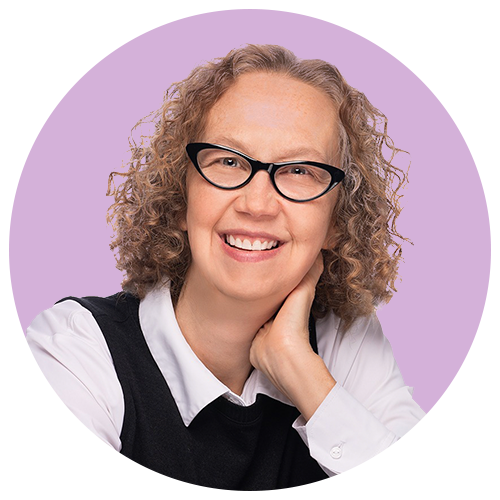
Jessamyn Neuhaus, PhD
Jessamyn Neuhaus, PhD
Jessamyn Neuhaus, PhD, is the Director of the Center for Teaching and Learning Excellence (CTLE) and Professor in the School of Education at Syracuse University. A scholar of teaching and learning, Dr. Neuhaus is the author of Geeky Pedagogy: A Guide for Intellectuals, Introverts, and Nerds Who Want to be Effective Teachers and editor of Picture a Professor: Interrupting Biases about Faculty and Increasing Student Learning, both published in the West Virginia University Press series, Teaching and Learning in Higher Education. Her most recent book, Snafu Edu: Teaching and Learning When Things Go Wrong in the College Classroom, was published in the Oklahoma University Press series, Teaching, Engaging, and Thriving in Higher Education. Neuhaus holds a PhD in history and in addition to two historical monographs, has published pedagogical, historical, and cultural studies research in numerous anthologies and journals, and is editor of Teaching History: A Journal of Methods. As a professor of history at SUNY Plattsburgh, she earned the SUNY Chancellor’s Award for Excellence in Teaching, and has over 20 years of classroom experience at a range of higher ed institutions. As an educational developer, Neuhaus supports and promotes faculty’s scholarly teaching and pedagogical reflection at every stage of their careers. As a collaborative campus leader, she prioritizes building and sustaining strong communities; recognizing, documenting, and celebrating effective teaching practices; and increasing equitable teaching and learning environments for faculty, students, and staff.
Trust Me: Building Trust—and Sparking Transformation—In and Through Our Work
Tuesday, August 18 | 3:00 - 4:00 pm
The intersecting crises facing higher education and faculty developers today raise fundamental questions of trust. Can faculty trust students to use generative AI appropriately in courses? Do faculty trust that they can teach about complex and controversial topics without risking their careers? Do students—not just some, but all—trust faculty to teach and assess in ways that support meaningful learning? Can students trust each other enough to engage seriously in class discussions and group activities? And can faculty developers trust that their institutions will support them in doing the powerful work of supporting and enabling great teaching?
These questions—and many more—illustrate a crucial insight from research: Trust is most necessary in conditions of uncertainty and change. And, wow, are we in conditions of uncertainty and change.
For faculty developers and CTLs, trust operates on multiple levels. To be effective, we need faculty and other partners to trust us. We also need to help faculty and others build trust with and among students. For CTLs to thrive, we need to develop trust with administrative leaders and others across the institution. For our professional growth, we need to trust each other enough to learn with and from other faculty developers. And, ultimately, we need to trust ourselves to do all this in ways that sustain our careers and well-being. Building on recent international research, we will explore ways to use intentional “trust moves” that build and nurture trust in diverse academic contexts. Whether you’re new to faculty development or an experienced pro, you will leave this session with practical strategies and renewed commitment to the transformational possibilities of trusted and trustworthy work.
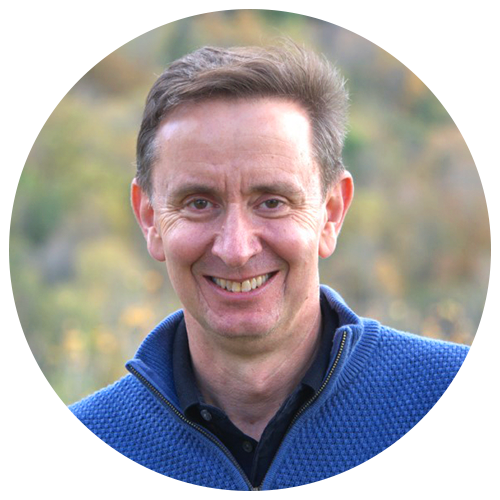
Peter Felten, PhD
Peter Felten, PhD
Peter Felten is executive director of the Center for Engaged Learning, assistant provost for teaching and learning, and professor of history at Elon University. Felten has published nine books about higher education, including Connections are Everything: A College Student’s Guide to Relationship-Rich Education (2023) and The SoTL Guide: (Re)Orienting the Scholarship of Teaching and Learning (2025). Both of those co-authored books have an open-access online version free to all readers. Felten has served as president of the POD Network and the International Society for the Scholarship of Teaching and Learning (ISSOTL). He is on the advisory board of the National Survey of Student Engagement (NSSE) and is a fellow of the Gardner Institute.