
Plenary Sessions
The Virtual Shift: Transforming Health Professions Education through the Integration of XR and AI
April 21 | 9:30 - 10:30 am
The convergence of Extended Reality (XR) and Artificial Intelligence (AI) is redefining clinical education. Together, we will explore “The Virtual Shift” by examining how integrated XR-AI frameworks enhance clinical reasoning and clinical mastery.
Participants will learn about evidence-based strategies to bridge the theory-practice gap using scalable, immersive XR. Discover how these transformative tools optimize student outcomes and institutional readiness, preparing the next generation of healthcare professionals for an increasingly complex clinical landscape.
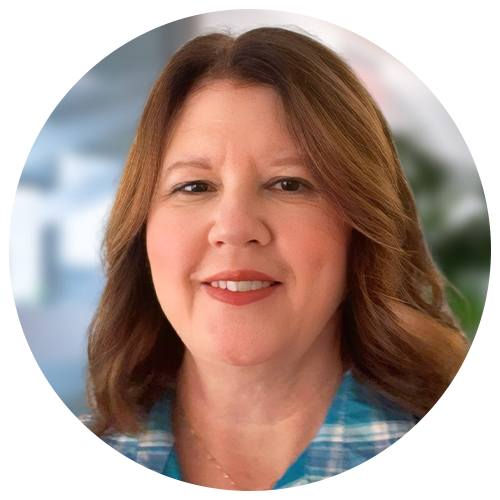
Michelle Aebersold, PhD, RN, CHSE, FSSH, FAAN
Michelle Aebersold, PhD, RN, CHSE, FSSH, FAAN
Michelle Aebersold, PhD, RN, CHSE, FSSH, FAAN, is a Clinical Professor at the University of Michigan School of Nursing, a Clinical Associate Professor in the School of Information, and an XR Faculty Innovator in Residence. She is a Certified Healthcare Simulation Educator and a Fellow in the American Academy of Nursing and the Society for Simulation in Healthcare. Dr. Aebersold has extensive experience in using a variety of simulation learning methods including Extended Realities and AI to improve the care of patients through caregiver education and training. She engages in grant-funded projects using immersive virtual reality for team training, practice readiness, and multidisciplinary collaboration to improve healthcare. She regularly mentors students and faculty in simulation learning.
The Science of Bite-sized Well-being During Uncertain Times: Evidence, Practice and Resources to Share
April 21 | 3:00 - 4:00 pm
In this plenary, the audience will review evidence published in top tier journals that both validates and normalizes their emotional exhaustion, and demonstrates that as much as the pandemic was associated with an increase in burnout, we now know through clinical trials that bite-sized, well-being interventions can cause well-being to improve in the same magnitude. What took the pandemic three years to do can be undone in 10 days using these interventions.
This plenary explains the science behind the interventions to improve workforce well-being, and demonstrates the prevalence and severity of well-being deficits, all while informing, comforting, and inspiring a weary work-force.
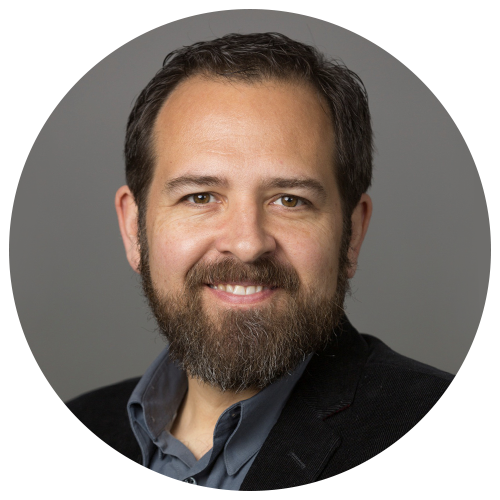
J. Bryan Sexton, PhD
J. Bryan Sexton, PhD
J. Bryan Sexton is the Chief Wellness Officer of Duke Health Integrated Practice and Director of the Duke Center for the Advancement of Well-being Science. After 30 years as a psychologist, psychometrician, and investigator, he now works with leaders to assess and improve culture and work-force well-being. Sexton has conducted and published large studies and randomized controlled trials showing how to cause enduring improvements in the well-being of our workforce. He has authored over 100 peer reviewed publications, and his research instruments and well-being interventions have been translated and used in over 30 countries.