
Preconference Workshops
Choose from a selection of 2.5 hour preconference workshops to further enrich your conference experience.
Thursday, October 8
1:00–3:30 PM
Central Time
Enrollment is offered during conference registration. The cost is $349 for each preconference workshop. If you have already registered for the conference and would like to add a workshop to your registration, call 608-246-3590 to enroll.
Leading in the Age of AI: Rethinking Leadership
AI is changing not only how work gets done, but what leaders are capable of doing. For higher-education leaders navigating constrained resources and increasing demands, AI offers an opportunity to expand personal and institutional capacity, but only if leaders learn to use it thoughtfully.
This preconference workshop will explore what it means to become an AI-empowered leader: using AI as a thought partner, learning accelerator, and source of capacity while retaining the human judgment, curiosity, empathy, and critical thinking that effective leadership requires. Participants will explore how AI can help leaders think more deeply, analyze complex problems, learn faster, and create capacity for the human-centered work of leadership. This workshop will also examine the responsibilities and risks that accompany this new capacity, including academic integrity, bias and inequity, privacy, environmental impact, workforce reskilling, and overreliance on AI-generated information. Through discussion, reflection, real-world scenarios, and hands-on experimentation, participants will consider how leaders can navigate these tensions while using AI to strengthen their leadership and expand what their institutions are able to accomplish.
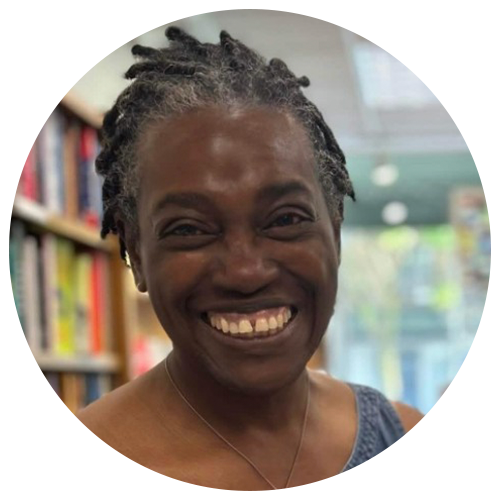
Stephanie Delaney, PhD
Stephanie Delaney, PhD
Stephanie Delaney, PhD, is Vice President of Instruction at Renton Technical College in Washington State, where she leads instruction, eLearning, and the library. A recognized voice on AI in higher education, she co-chairs a statewide AI taskforce and is a member of the JFF AI Community of Practice and a League of Innovation AI Fellow. She speaks nationally on AI and technology’s role in teaching and administration. Stephanie also runs an executive coaching practice, helping higher-ed and nonprofit leaders move past what’s holding them back.
Coaching Skills for Academic Leaders: Bringing Out the Best in Yourself and Others
The interpersonal aspects of academic leadership, (e.g., annual reviews, performance evaluations, or other difficult conversations with faculty) can be especially challenging to the inexperienced chair/dean.
In this workshop, you will practice several powerful brain-based coaching skills drawn from improv games to increase your skills and confidence for leadership that matters: transformational coaching conversations that build institutional collegiality, civility, and engagement. Attendees will learn a structure for shaping such conversations (ASK – Assess client motivation, Set agenda, Keep success continuous), contribute to a facilitator/volunteer demonstration of these skills, and then practice them in dyads.
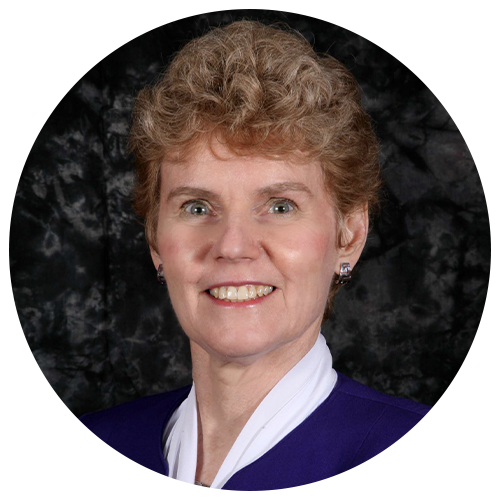
Susan Robison, PhD
Susan Robison, PhD
A former professor of psychology and department chair at the University of Notre Dame of Maryland and author of Coaching Skills for the Academic Leader: Bringing Out the Best in Yourself and Others (Routledge, 2024), Susan Robison provides faculty and leadership development workshops and coaching at higher education conferences and on college campuses. Her book, The Peak Performing Professor: A Practical Guide to Productivity and Happiness (Jossey-Bass, 2013) has been selected for faculty book clubs all over North America. In 2017, Robison served as a co-editor of a special issue on Coaching and Leadership of the Journal of Excellence in College Teaching.
Designing Strategic Convenings for Faculty and Leadership Development
At a time when higher education faces unprecedented challenges, faculty engagement and career satisfaction are critical to the daily vitality and long-term success of our institutions. It is important, then, that faculty leadership development (and faculty development broadly) not feel like an obligation. How do we move away from routine gatherings and toward dynamic experiences that genuinely connect and engage faculty?
This workshop introduces academic leaders to the art and science of “convening”—defined by strategic design firm Shook Kelley (Kelley, 2024; Shook Kelley, n.d.) as bringing people together around a space, idea, or experience to create powerful “bonfire moments” that build deep connectedness. Drawing on Gallup’s (2026) research on employee engagement and Shook Kelley’s convening frameworks, participants will explore their current institutional practices and learn how physical spaces, intentional design, and relational psychology impact faculty behavior(s). Rather than simply talking about engagement, participants will experience it. Through collaborative design challenges, case study analyses, and peer-to-peer collaboration, participants will leave with a concrete, customized action plan to foster convening as a strategy for faculty leadership development (and faculty development, broadly) within their programs and at their institution.
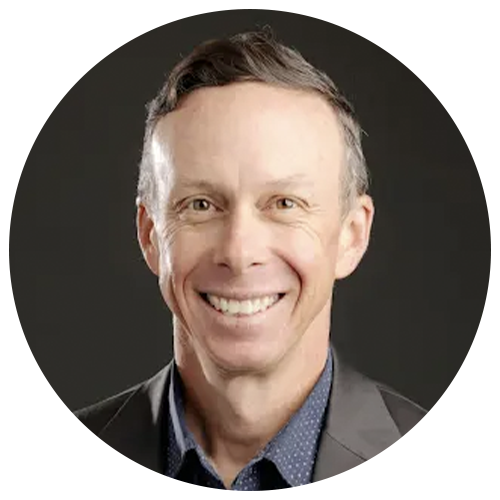
Russell Carpenter, PhD
Russell Carpenter, PhD
Russell Carpenter, PhD, is Assistant Provost and Professor of English at Eastern Kentucky University. He serves as Editor-in-Chief of the Journal of Faculty Development and is a columnist for the National Teaching and Learning Forum.
Leadership in an Era of Distrust: Rebuilding Confidence Through Transparency, Communication, and Community Engagement
Higher education leaders are navigating an environment of increasing public skepticism, institutional scrutiny, and rapidly evolving stakeholder expectations. Building and maintaining trust has become one of the most important responsibilities of academic leaders as they work to foster confidence among faculty, staff, students, governing boards, and the communities they serve.
This workshop examines practical leadership strategies for strengthening institutional credibility through transparent decision-making, authentic communication, and meaningful community partnerships. Participants will explore how trust is established, how it can be damaged during periods of change or crisis, and how leaders can intentionally rebuild confidence through consistent actions and ethical leadership practices. This workshop will also highlight approaches to navigating difficult conversations, communicating during uncertainty, managing institutional reputation, and cultivating collaborative relationships that reinforce the mission of higher education.
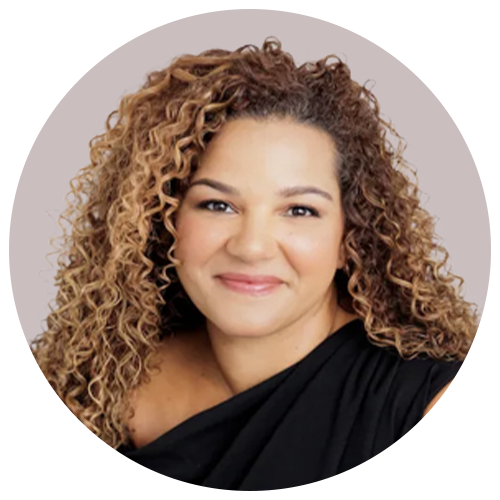
Courtney Plotts, PhD, NCSP
Courtney Plotts, PhD, NCSP
Dr. Courtney Plotts, PhD, NCSP, is an Assistant Professor and Assistant Program Director in the School Psychology Program at National Louis University, Florida Campus. A certified and licensed school psychologist and higher education leader, she has extensive experience leading initiatives across K-12 education, higher education, telehealth, and organizational systems. Her scholarship focuses on leadership development, organizational change, faculty development, innovation, and the future of education at all levels. Dr. Plotts was an expert contributor to Dr. Tolu Noah’s book, Designing and Facilitating Workshops with Intentionality: A Guide to Crafting Engaging Professional Learning Experiences in Higher Education, where she contributed her expertise in designing impactful professional learning experiences for higher education audiences. She frequently presents on strategic leadership, organizational trust, psychological safety, and the future of higher education, helping leaders build resilient, mission-driven institutions through evidence-informed practice. Dr. Plotts regularly consults and presents on strategic leadership, systems thinking, psychological safety, and building resilient educational organizations. She is committed to helping academic leaders develop the skills necessary to foster trust, strengthen institutional culture, and lead transformational change in increasingly complex educational environments.